
Training Cycles Are Predictable, Genetics Are Not
A client once asked us why his progress seemed to stall every few weeks despite training just as hard, and then jump forward again without warning. The honest answer involved two very different kinds of pattern.
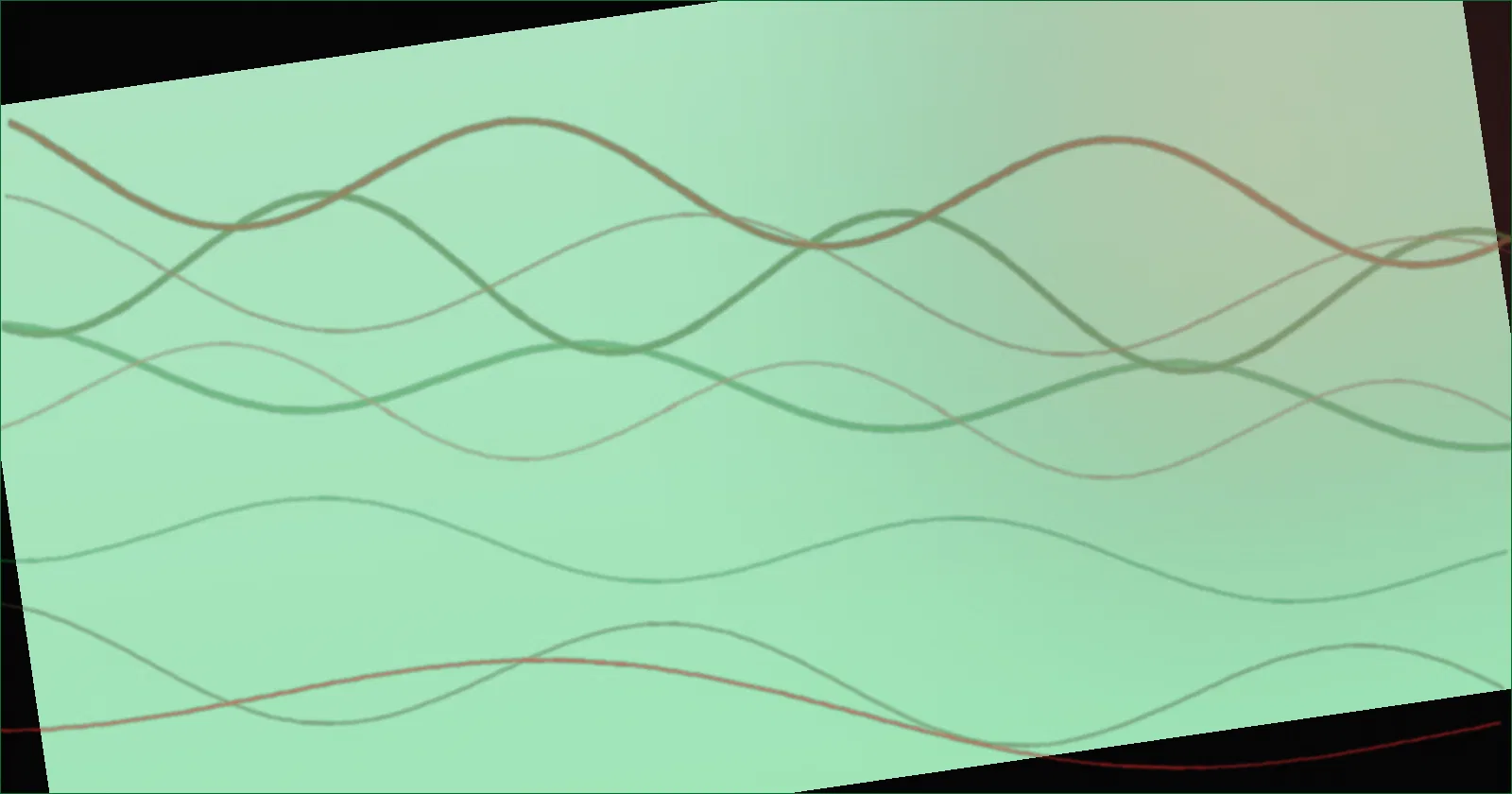
A client once asked us why his progress seemed to stall every few weeks despite training just as hard, and then jump forward again without warning. The honest answer involved two very different kinds of pattern. One of them, how the body responds to planned cycles of harder and easier training, is well documented and genuinely predictable. The other, how fast any individual body builds muscle compared to someone else doing the identical program, depends heavily on genetics and is not something any plan can predict in advance. Mixing the two up causes a lot of needless frustration.
What Is Actually Predictable: Periodization
Training periodization, the practice of cycling through phases of harder effort followed by planned recovery, is backed by decades of documented results across huge numbers of athletes. A body under a demanding training phase genuinely tends to show reduced performance temporarily, followed by an improvement once a lighter recovery phase lets adaptation catch up. This is not a guess. It is a pattern repeatable enough that entire training systems are built around deliberately planning for it rather than trying to push hard every single week without a break.
Understanding this pattern changes how a plateau actually feels. A temporary dip during a hard training block is not a sign that something is broken. It is often the expected, predictable shape of the process working as designed, right before the next planned recovery phase lets the gains show up.
What Is Not Predictable: Individual Genetics
How quickly any specific person builds visible muscle, how their particular joints tolerate certain movements, and how their body distributes fat are all heavily influenced by genetics that vary enormously between individuals. Two people following an identical periodized program can see genuinely different rates of visible change, and no amount of planning removes that variation. Pretending otherwise, by promising a specific universal timeline, sets people up to feel like they are failing when they are simply responding the way their own particular biology was always going to respond.
Confusing the Two Causes Real Damage
People who do not separate these two patterns often make the wrong move at the wrong time. They quit a periodized plan right during its planned, expected dip, assuming it has stopped working, when the dip was actually the predictable, documented part of the process. Or they blame their program entirely for a slower rate of visible change that was always going to be genetic rather than programmatic, and jump to a new plan that will show the exact same genetic ceiling a few months later.
A Useful Contrast With Pure Chance
It helps to put this against something genuinely unpredictable for contrast. A training cycle has a documented, repeatable shape because it is built on a known physiological mechanism, the same way a calendar season repeats every year for a clear, understood reason. A lottery draw or a dice roll has no such mechanism behind it by design, which is exactly why no pattern can be extracted from it no matter how carefully someone studies past results. Platforms that run on genuinely random outcomes, including services like ankertoto, work precisely because each round is not deducible from the rounds before it, which sits in a completely different category from a training cycle that behaves the same predictable way for a reason science actually understands.
Planning Around What You Can Actually Predict
The practical lesson is to plan training phases around the documented, predictable periodization pattern, while holding expectations for the rate of visible change loosely, since that part genuinely varies by person for reasons outside anyone's control. Clients who adopt that mindset stop quitting during expected dips and stop comparing their own timeline unfavorably to someone else's genetically different one, which removes a huge source of unnecessary discouragement from an otherwise sound training plan.
Telling a real pattern from a coincidence
A pattern is only worth trusting if you can name the mechanism behind it in one sentence, something like a documented season, a published schedule, or a repeatable physical cause. If the explanation is just a feeling that something has seemed lucky lately, it is not a pattern at all, it is noise wearing a confident vocabulary.
Before planning around any claimed pattern, ask what actually causes it. If nothing concrete comes to mind, treat the pattern as unproven and avoid staking a real decision on it.
The one question that separates a pattern from noise
A real pattern survives being asked why it happens, because a documented season, a published calendar, or a repeatable cause can always explain itself in a sentence. A fake one only survives as a feeling, because there was never a mechanism behind it to begin with.
Before trusting any claimed pattern enough to act on it, ask what specifically causes it. If the honest answer is nothing you can point to, the pattern is not real yet, no matter how consistent it has seemed so far.
More in Games
 Games
The Quiet Discipline Behind Online Number Games
People who train their bodies well and people who play online number games well tend to share one trait, and it is not talent.
 Games
What Online Game Prestige Resets Teach About Starting a New Training Block
Spend enough hours in a long online game and you will meet the prestige option.
 Games
How Online Game Cooldown Timers Explain Rest Between Sets
Anyone who plays an action game knows the little grey ring that spins over a skill after you use it.